- Phil~Italy Newsletter
- Posts
- Nature and Biodiversity in Italy
Nature and Biodiversity in Italy
Puglia

Bob Sorrentino for Phil~italy
April 06, 2026
Welcome Back (bentornati) to Phil~italy Cultural Exchanges Newsletter. We publish bi-weekly exploring the food, culture, music, art, architecture, natural beauty and history of our beloved Italy.
Easter in Italy is a beautiful reminder of faith, renewal, and the importance of family traditions. It’s a time when communities come together, tables are filled with traditional foods, and generations gather to celebrate life and heritage.
May this Easter bring you joy, peace, and a deeper connection to the culture and traditions of Italy.
Buona Pasqua a tutti!
Pasquetta, officially called “Lunedì dell’Angelo” (Angel’s Monday), is the day after Easter Sunday in Italy. It’s one of the most loved spring traditions in Italian culture.
What Pasquetta Is
Pasquetta literally means “Little Easter.” It celebrates the moment when the women in the Gospel discovered the empty tomb and were told of the resurrection by an angel. Because of this, the Church calls it Angel’s Monday.
“A Pasquetta ogni scherzo vale.”
On Pasquetta, anything goes — meaning it’s a carefree, fun day.
To stay updated on missed articles, please subscribe and click HERE to visit our archive.
Also please subscribe to our Phil~Italy, YouTube Channel. A travel channel exploring the beauty, culture, and hidden gems of Italy. Follow along for exciting trips across cities, coastlines, and countryside while discovering local food, history, and unforgettable destinations. Each video also shares free practical travel tips to help you plan smarter and experience Italy like a local. We are just starting to build the content, so subscribe and come back from more each week.
Tip number 2 - Try the “Wine Window” in Florence
On Sale now - Two new Phil~italy group Trips
July 2026 and August 2026, each 12 day all inclusive priced itinerary.
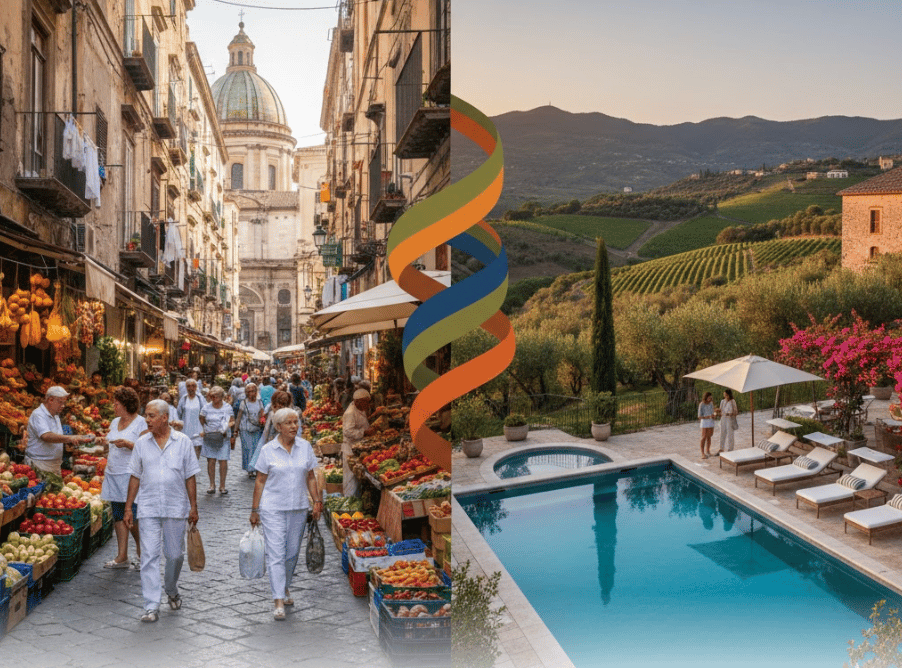
Experience a journey of contrasts in Central-Southern Italy, where the vibrant pulse of ancient cities meets the quiet, sun-drenched rhythms of the rustic interior. This is a land where you can wake up to the lively chaos of a Neapolitan market and fall asleep in a rural setting in the foothills of the Apennine Mountains. Rest each night in a resort-style hotel rather than hotel hopping. Enjoy easy access to a large swimming pool to cool off from the summer heat, preparing you for the next day of enticing La Dolce Vita excursions, or simply relax and stay put.
Look for details on these Phil~Italy Summer 2026 trips on our website www.philitaly.co
Nature and Biodiversity in Italy
In the region of Puglia
The biodiversity of Puglia is shaped by its unique geography—stretching between the Adriatic Sea and the Ionian Sea—and its mix of coastal plains, wetlands, and karst landscapes. This southeastern region of Italy is home to a rich mosaic of ecosystems, from Mediterranean scrublands (maquis) to ancient olive groves and coastal dunes. Its relatively dry climate, paired with calcareous soils, supports a variety of drought-resistant plant species, many of which are endemic to southern Italy and adapted to intense sun and limited rainfall.

One of the most important biodiversity hotspots in Puglia is Gargano National Park, often called the “spur” of Italy’s boot. This protected area contains dense forests like the ancient Umbra Forest, which harbors rare orchids, beech trees, and diverse wildlife including wild boar, roe deer, and numerous bird species. Along the coast, wetlands such as Salina di Margherita di Savoia serve as critical habitats for migratory birds, including flamingos, herons, and avocets, making the region a key stopover point along major European-African migration routes.

Marine biodiversity is equally significant, with the waters surrounding Puglia supporting seagrass meadows of Posidonia oceanica, which are vital for maintaining healthy coastal ecosystems. These underwater habitats provide breeding grounds for fish and shelter for species like sea urchins, mollusks, and crustaceans. However, like many Mediterranean regions, Puglia faces environmental pressures such as climate change, coastal development, and agricultural intensification. Conservation efforts—both local and within broader European frameworks—aim to protect this delicate balance, preserving the region’s ecological richness for future generations.
The marine life along the coasts of Puglia is shaped by the meeting of the Adriatic Sea and the Ionian Sea, creating a rich and varied underwater ecosystem. One of the most important features is the presence of seagrass meadows, particularly Posidonia oceanica, which act as nurseries for countless marine species. These underwater “forests” support fish like sea bream, groupers, and wrasse, while also providing habitat for octopus, cuttlefish, and a wide range of crustaceans. Rocky reefs and submerged caves further enhance biodiversity, offering shelter to moray eels, sponges, and colorful coral-like organisms that thrive in the clear Mediterranean waters.

Larger marine animals are also part of this ecosystem, though they are less frequently seen. Loggerhead sea turtles occasionally nest along Puglia’s beaches, and dolphins can be spotted offshore, especially in quieter stretches of coastline. Seasonal migrations bring additional diversity, with various pelagic fish moving through these waters. However, this marine environment faces ongoing challenges from overfishing, pollution, and warming sea temperatures, which threaten sensitive habitats like seagrass beds. Conservation initiatives and marine protected areas are increasingly important in safeguarding these ecosystems, helping maintain the balance of marine life that has supported coastal communities in southern Italy for centuries.

“We highly recommend you dine in these very authentic Italian and Sicilian Restaurants”
 |  |  |
|

Are you planning a trip to Italy in the next two years? |
Reply