- Phil~Italy Newsletter
- Posts
- Nature and Biodiversity in Italy
Nature and Biodiversity in Italy
Calabria

Bob Sorrentino for Phil~italy
March 12, 2026
Welcome Back (bentornati) to Phil~italy Cultural Exchanges Newsletter. We publish bi-weekly exploring the food, culture, music, art, architecture, natural beauty and history of our beloved Italy.
To stay updated on missed articles, please subscribe and click HERE to visit our archive.
Also please subscribe to our Phil~Italy, YouTube Channel. A travel channel exploring the beauty, culture, and hidden gems of Italy. Follow along for exciting trips across cities, coastlines, and countryside while discovering local food, history, and unforgettable destinations. Each video also shares free practical travel tips to help you plan smarter and experience Italy like a local. We are just starting to build the content, so subscribe and come back from more each week.
Tip number 1 - Visa Requirements 2026
On Sale now - Two new Phil~italy group Trips
July 2026 and August 2026, each 12 day all inclusive priced itinerary.
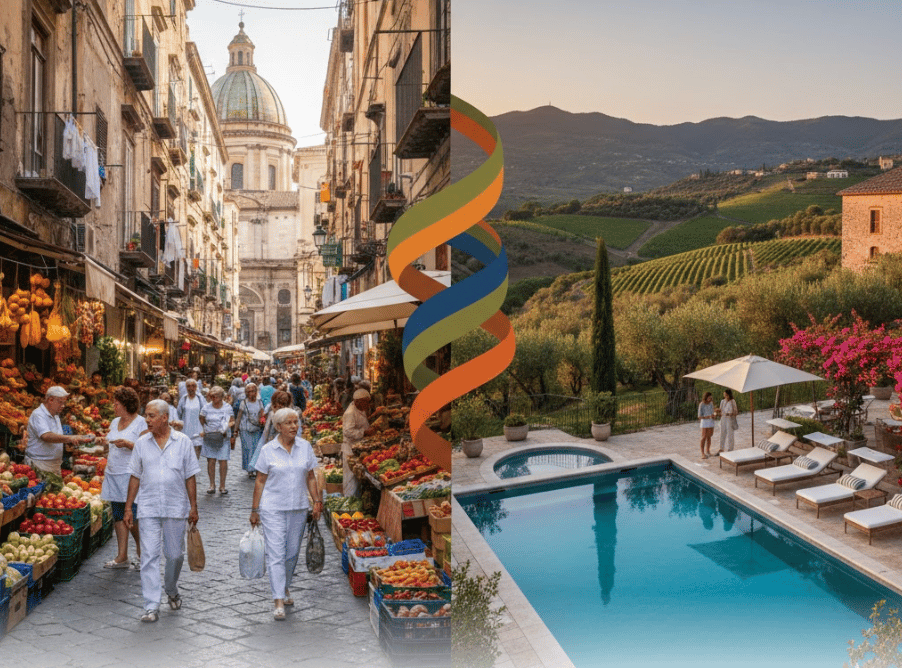
Experience a journey of contrasts in Central-Southern Italy, where the vibrant pulse of ancient cities meets the quiet, sun-drenched rhythms of the rustic interior. This is a land where you can wake up to the lively chaos of a Neapolitan market and fall asleep in a rural setting in the foothills of the Apennine Mountains. Rest each night in a resort-style hotel rather than hotel hopping. Enjoy easy access to a large swimming pool to cool off from the summer heat, preparing you for the next day of enticing La Dolce Vita excursions, or simply relax and stay put.
Look for details on these Phil~Italy Summer 2026 trips on our website www.philitaly.co
Nature and Biodiversity in Italy
In the region of Calabria
Pollino National Park, located between Calabria and Basilicata in southern Italy, is one of the most biologically diverse protected areas in the Mediterranean. Its biodiversity is shaped by a wide range of elevations, from river valleys to high mountain peaks, which creates many different habitats. These include Mediterranean scrub, beech and oak forests, alpine meadows, and rocky mountain slopes. Because the park sits at the meeting point of Mediterranean and mountainous climates, it supports species typical of both environments, making it an important ecological transition zone.
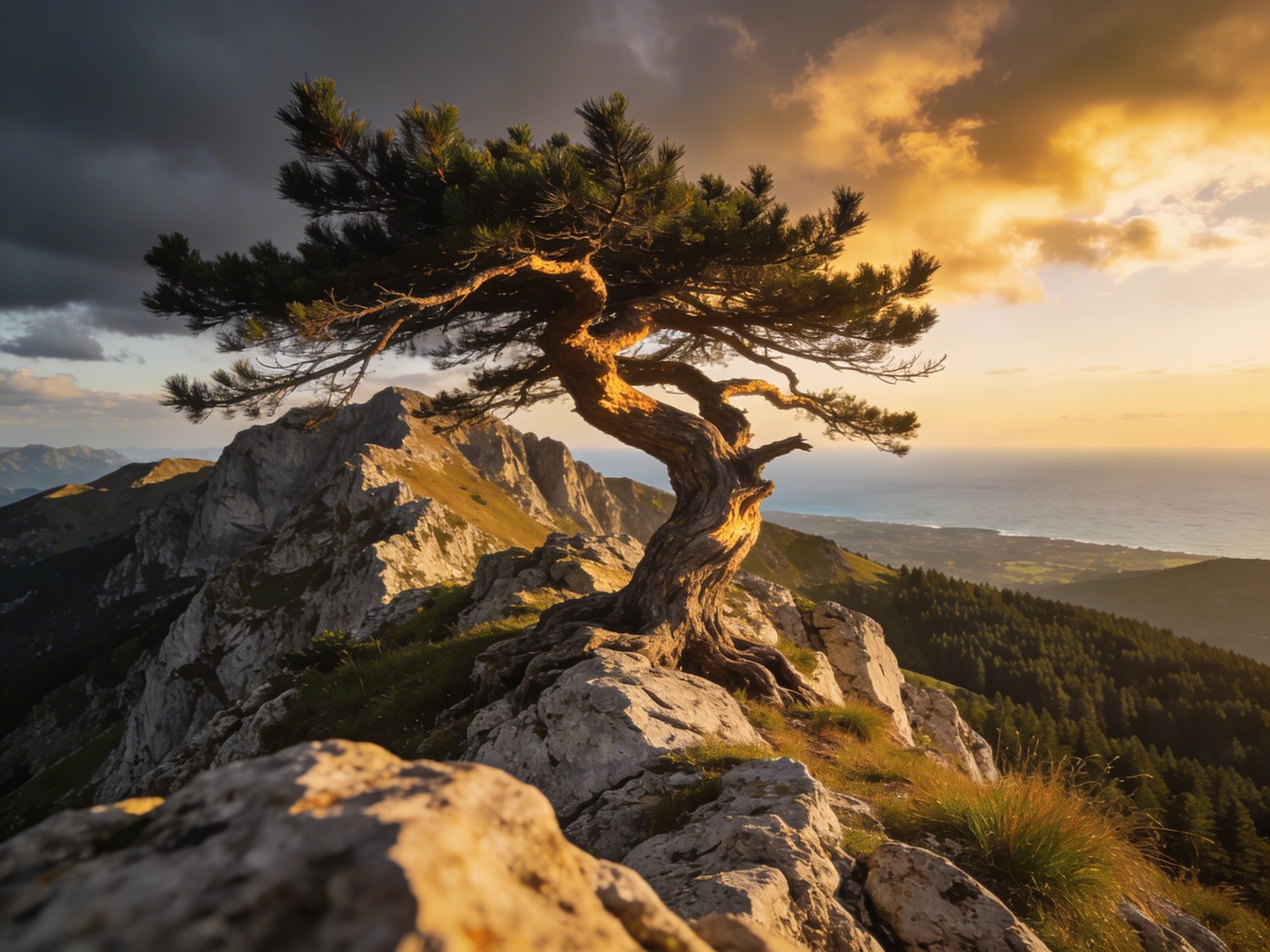
One of the park’s most iconic plants is the Bosnian pine (Pinus heldreichii), a rare and ancient tree that grows on the highest ridges of the Pollino Massif. Some of these trees are over a thousand years old and are uniquely adapted to harsh winds and poor soils. In addition to these pines, the park contains rich forests of beech, maple, chestnut, and oak, as well as many wildflowers and endemic plant species. The combination of different altitudes and geological formations allows a remarkable variety of plant life to thrive within the park.
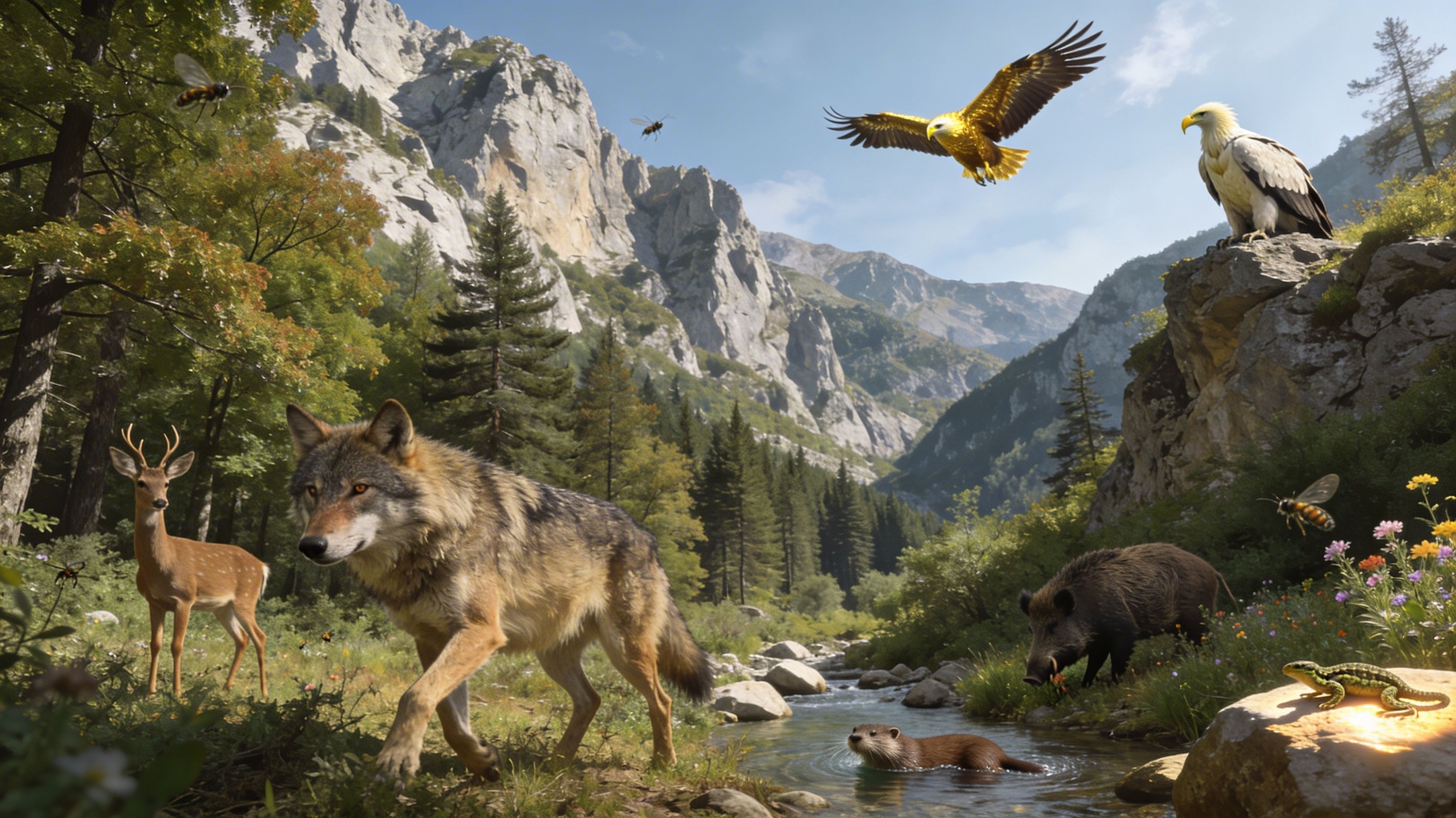
The animal life of Pollino is equally diverse. Large mammals such as the Italian wolf roam the forests, while roe deer, wild boar, and otters inhabit different parts of the park. Birdlife is especially notable, with birds of prey like the golden eagle and the rare Egyptian vulture nesting in its cliffs and mountains. Amphibians, reptiles, and many insect species further contribute to the park’s rich ecosystems. Together, this wide range of species and habitats makes Pollino National Park a crucial refuge for wildlife and an important center of biodiversity in southern Italy.
Calabria has rich marine biodiversity because it is surrounded by two different seas, the Tyrrhenian Sea to the west and the Ionian Sea to the east. These waters create a variety of marine habitats, including rocky reefs, sandy seabeds, underwater caves, and seagrass meadows. One of the most important marine plants in the region is Posidonia oceanica, a seagrass that forms underwater meadows along the coast. These meadows are essential ecosystems because they provide shelter and breeding grounds for many marine species, help stabilize the seabed, and improve water quality.
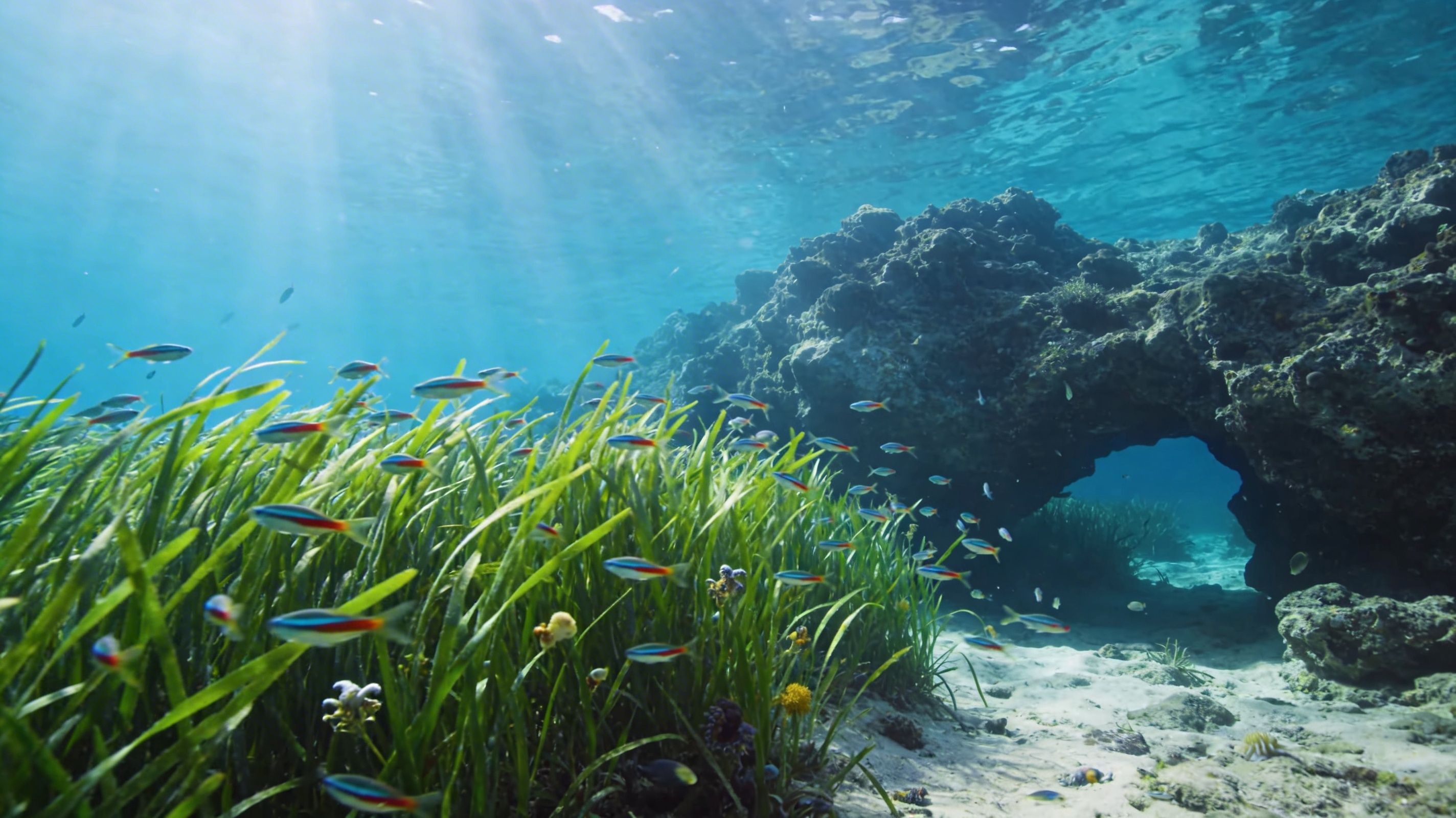
The coastal waters of Calabria support a wide range of marine animals, from fish and crustaceans to larger marine predators. Common fish species include sea bream, groupers, and anchovies, which live among reefs and seagrass beds. The area is also visited by larger marine animals such as the bottlenose dolphin and the loggerhead sea turtle, which uses Mediterranean beaches for nesting. In some offshore areas, whales such as the fin whale may also pass through during migration. Together, these species and habitats make Calabria’s coastal waters an important part of Mediterranean marine biodiversity and a valuable ecosystem for both wildlife and local communities.

“We highly recommend you dine in these very authentic Italian and Sicilian Restaurants”
 |  |  |
|

Are you planning a trip to Italy in the next two years? |
Reply